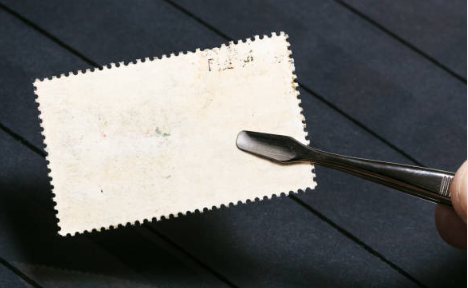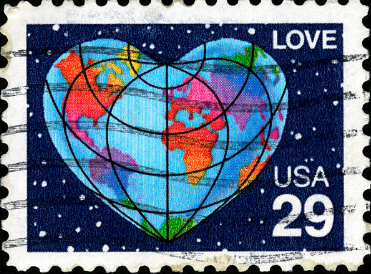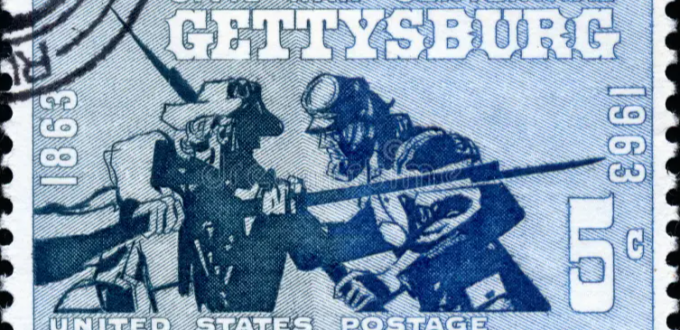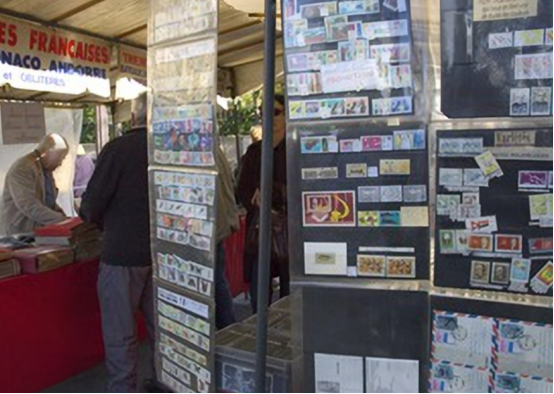
Stamp collecting has few entry barriers. You can begin with mail already in the house, a pair of tongs, and one question you enjoy following.
Choose a scope before buying
Start with a subject, country, decade, person, place, or postal use. “Birds on U.S. stamps” is easier to understand and maintain than “anything that looks old.” Your scope can change later.
Learn the vocabulary you actually need
- Mint: unused; gum and condition descriptions still matter.
- Used: canceled in postal use.
- Cover: the envelope or card carrying the stamp and postal markings.
- Definitive: a regular issue intended for continuing use.
- Commemorative: an issue honoring a subject for a more limited sales period.
- Pane, booklet, coil: physical formats, not different levels of authenticity.
Handle and store before sorting
Use stamp tongs and a stockbook or archival album. Do not remove every stamp from its envelope: a cover may preserve a valuable rate, route, date, or cancellation. Modern self-adhesive stamps can also be difficult to soak safely.
Identify before valuing
Record country, issue, denomination, date, format, perforation, cancellation, and faults. Then consult a current catalog or museum database. Asking prices are not completed sales, and age is not rarity.
Set a modest first budget
Spend first on safe tools and references. Many modern stamps are affordable, and libraries can supply catalogs through interlibrary loan. Avoid “mystery investment lots” until you can describe what you are buying.
Keep a research note
Write down where an item came from and why it belongs in the collection. That habit improves provenance and makes the collection intelligible to someone else.
The National Postal Museum’s introduction provides a reliable next lesson.
Your first 30 days: a collection you can actually finish
Choose a small target such as 25 used U.S. stamps from one decade, ten wildlife designs, or mail saved from your family. Week one is observation and sorting. Week two is identification. Week three is safe mounting and notes. Week four is a review of gaps and questions—not a rush to buy rarities.
Record these five fields
- Country and issuing authority
- Issue name or visible subject
- Denomination and approximate date
- Used, unused, on cover, or another format
- Source used and confidence in the identification
Use tongs, a stock page, and a magnifier before spending on specialized equipment. Never tape stamps into an album, and pause before soaking a cover: a postal marking or original envelope can be more informative than the detached stamp. If an item appears expensive, seek a specialist or recognized expertization service rather than relying on an image search.
Next, compare the essential tool guide and American Philatelic Society resources. MaxPob is an independent single-editor site; the methodology and correction process are described on our research page.
Related collecting guides
Editorial note: Historical claims in this article are based on cited USPS and Smithsonian material. MaxPob’s local keyword and review datasets help identify reader questions and collecting concerns; marketplace reviews are not used as proof of postal history, rarity, or value. See our research methodology.
Primary topic: Stamp Collecting. Start with Stamp Collecting for Beginners.