A stamp can be historically interesting without being expensive, and an expensive catalog entry can be worth far less when its condition or identity is uncertain. Collectible value comes from a combination of identification, scarcity, condition, demand, and provenance—not age alone.
Start by identifying exactly what you have
Look for the issuing country, denomination, design, perforations, printing differences, watermark, format, and cancellation. Two stamps that look nearly identical can be different catalog entries; two listings with dramatic titles can be the same common stamp.
A catalog is a starting point, not an appraisal. Catalog values use stated condition assumptions and may not reflect a particular sale, dealer offer, or current demand.
The factors that usually matter
- Scarcity: how many were produced is less useful than how many survive in comparable condition.
- Condition: tears, thins, creases, stains, short perforations, disturbed gum, heavy cancellations, and fading can reduce desirability.
- Demand: a scarce item needs interested buyers to support a strong market.
- Variety: a documented printing, perforation, paper, or color difference may matter, but wishful identification does not.
- Provenance and expertization: records and a recognized certificate can matter for items often altered or forged.
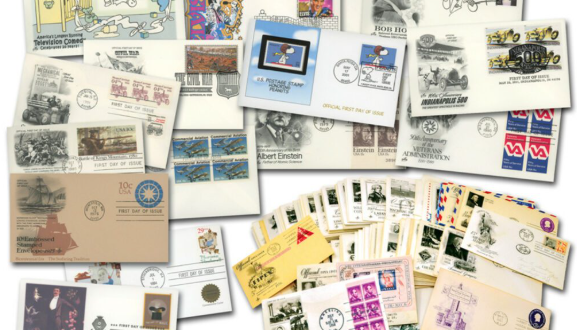
- Postal history: a stamp on its original cover can tell a richer story through its rate, route, date, and cancellation.
What the local review data contributes
Packaging or condition appeared in 787 of the 12,101 product reviews analyzed locally, and authenticity or trust appeared in 329. Those numbers do not estimate the stamp market. They show why buyers care about bent panes, unclear listings, and provenance before they ever reach a catalog-value discussion.
Are Forever Stamps valuable collectibles?
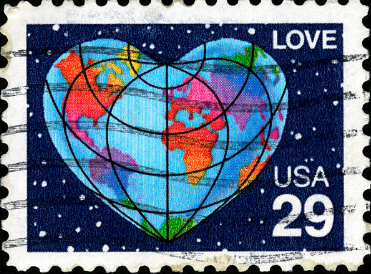
They can be collected by issue, design, plate marking, format, cover use, or theme. Most modern mint Forever Stamps are widely available and retain at least their postal usefulness, but the word FOREVER does not make an issue rare. A large marketplace asking price is not proof of a completed sale.
A sensible evaluation workflow
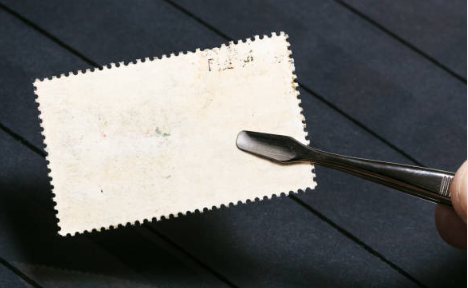
- Handle the item with clean stamp tongs.
- Identify it in a current catalog or authoritative collection database.
- Record condition honestly, including faults.
- Compare recent completed sales for the same item and condition.
- Seek a qualified dealer or expertizing service before selling or insuring a potentially important item.
The National Postal Museum’s collecting introduction explains why condition matters. MaxPob does not appraise or authenticate stamps.
Related collecting guides
Editorial note: Historical claims in this article are based on cited USPS and Smithsonian material. MaxPob’s local keyword and review datasets help identify reader questions and collecting concerns; marketplace reviews are not used as proof of postal history, rarity, or value. See our research methodology.
Primary topic: Stamp Collecting. Start with Stamp Collecting for Beginners.