Stamp collecting works because it can be as simple or as detailed as you want. A few envelopes from family mail can become a satisfying theme; a specialized study can take years.
1. Stamps make history tangible
A stamp is an object that moved through a real postal system. Issue dates, rates, cancellations, and destinations connect a design to everyday history.
2. The artwork rewards close looking
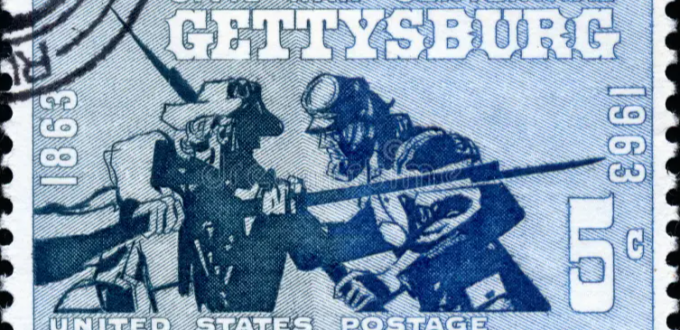
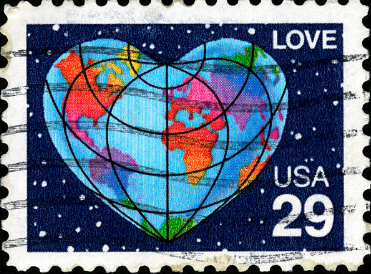
Engraving, photography, illustration, typography, color, and unusual printing techniques all appear on U.S. issues. Design is also the strongest recurring positive theme in MaxPob’s local product-review corpus.
3. A theme gives you a manageable path
You do not need “one of everything.” Birds, baseball, Black Heritage, national parks, space, a state, or a decade can each form a coherent collection.
4. The hobby teaches practical research
Collectors learn to identify objects, compare sources, describe condition, keep records, and revise an identification when evidence changes.
5. It can connect people
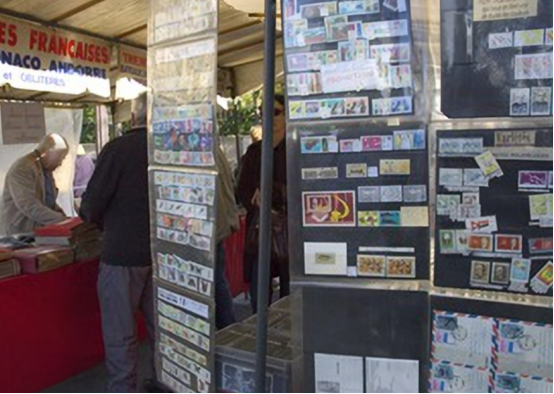
Clubs, exhibitions, dealers, libraries, museums, and correspondence create ways to share knowledge. The best exchanges are not only about price; they explain why an item matters.
Begin without overspending
Start with mail you already receive, choose one theme, buy tongs and a simple stockbook, and use the library before buying expensive catalogs. Do not treat a seller’s asking price as an appraisal.
The National Postal Museum introduction is a sound free starting point.
Turn an interest into a collection with boundaries
The easiest way to keep collecting enjoyable is to choose a boundary you can explain in one sentence: one decade, one subject, one printing format, mail from a family archive, or stamps actually used on postcards. A boundary reduces impulse purchases and gives every new item a reason to belong.
A low-risk first month
- Save ten inexpensive examples that fit the theme.
- Identify country, denomination, issue name, and approximate year.
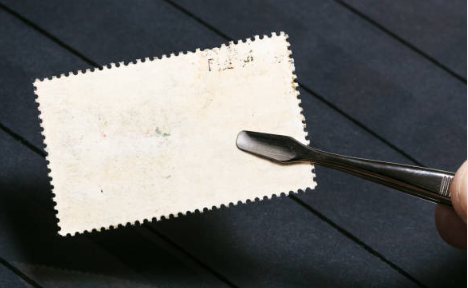
- Handle them with clean stamp tongs and store them in an acid-free stock page.
- Write down which fact still needs verification.
Do not soak valuable-looking stamps, remove stamps from historic covers, or buy an expensive album before you understand the material. Postal markings, envelope context, and intact selvage can contain information that cannot be restored after removal. The goal at the beginning is observation, not acquisition speed.
For a structured next step, follow the beginner plan and the tool checklist. The American Philatelic Society also maintains education, library, club, and dealer resources. MaxPob is independent and does not receive compensation for that reference.
Related collecting guides
Editorial note: Historical claims in this article are based on cited USPS and Smithsonian material. MaxPob’s local keyword and review datasets help identify reader questions and collecting concerns; marketplace reviews are not used as proof of postal history, rarity, or value. See our research methodology.
Primary topic: Stamp Collecting. Start with Stamp Collecting for Beginners.