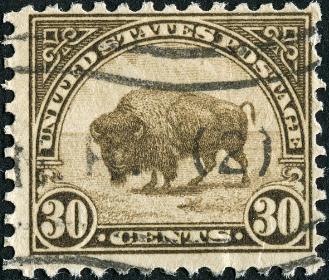
USPS is important to philately because it creates the postal objects collectors study, but stamp collecting extends beyond buying new issues. It also includes rates, routes, cancellations, production, design, and the history carried by real mail.
From postal system to collectible object
A stamp begins as evidence that postage has been paid. Once issued and used, it can also document a date, public subject, printing technology, denomination, and mail route. A complete envelope often preserves more information than a stamp removed from it.
How U.S. stamp subjects are selected
The Citizens’ Stamp Advisory Committee reviews eligible proposals and recommends subjects to the Postmaster General. Its members bring backgrounds in public-interest fields such as history, art, science, education, and sports. That process is useful context when interpreting what appears on a stamp.
Where collectors find authoritative information
- USPS Postal History: institutional timelines, rates, and official histories.
- Postal Bulletin: technical issue announcements and product details.
- USPS Newsroom: release descriptions and dedication information.
- National Postal Museum: object records, exhibitions, and research collections.
- Specialist catalogs and societies: identification details and focused expertise.
Buying new stamps vs. building a collection
Buying every new issue creates an accumulation. A collection becomes more useful when it has a scope, records, and an organizing question. You might study how one theme changes, how a printing format works, or how a rate appears on cover.
Start with the USPS postal history portal and the Smithsonian collections.
Use USPS for postal facts and specialist sources for interpretation
USPS is the primary source for current prices, mailing standards, issue announcements, and its own institutional history. It is not the only source a collector needs. Catalogs distinguish varieties, museums preserve objects and archives, societies publish specialist research, and surviving covers show how postage was actually used.
Match the question to the source
- Current price or mailing rule: Notice 123 and the Domestic Mail Manual.
- New stamp design and credits: the USPS Newsroom announcement.
- Historical object or postal system context: museum and archival records.
- Identification and varieties: a recognized catalog or specialist society.
- Market value: matching completed sales, condition, and expert review—not an asking price.
This separation prevents a common research error: using a current retail page to support a historical claim, or a marketplace description to identify a rare variety. Save the URL, access date, and exact claim supported by each source.
MaxPob’s research methodology explains the same hierarchy. For live mailing decisions, always recheck the current USPS Notice 123; rates and operational rules can change after an article is published.
Related collecting guides
Editorial note: Historical claims in this article are based on cited USPS and Smithsonian material. MaxPob’s local keyword and review datasets help identify reader questions and collecting concerns; marketplace reviews are not used as proof of postal history, rarity, or value. See our research methodology.
Primary topic: U.S. Stamp History. Start with The First U.S. Postage Stamps.