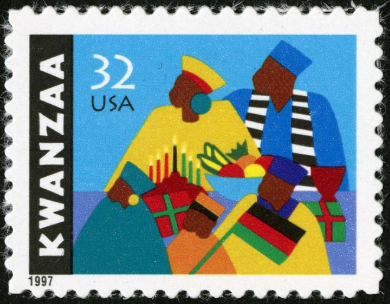
The first U.S. postage stamp to honor an African American was the ten-cent Booker T. Washington stamp issued on April 7, 1940. In 1978, USPS began the Black Heritage series with Harriet Tubman.
From a first honor to a continuing series
The 1940 Washington issue was a milestone, but it did not create continuous representation by itself. The later Black Heritage series established an annual framework for recognizing individual African Americans and their contributions.
Early subjects in the series included Harriet Tubman, Martin Luther King Jr., Benjamin Banneker, Whitney M. Young Jr., Jackie Robinson, Scott Joplin, Carter G. Woodson, Mary McLeod Bethune, and Sojourner Truth.
How to read the series
A stamp is both an honor and a product of its issue date. Ask what official biography accompanied it, how the portrait was chosen, what broader history it condenses, and what the small format cannot explain.
Not every relevant stamp belongs to the named series
USPS has also issued stamps about African American history, culture, music, art, military service, civil rights, and sport outside the Black Heritage series. A thematic collection should define whether it follows the official series, individuals, events, or a broader historical question.
Research respectfully
Begin with the official USPS list of African American stamp subjects, then use archives, museums, and biographies for the person’s life. Do not let a short postal caption replace historical context.
Research the person, the issue, and the larger series separately
For an African American history stamp, start with the honoree’s own record rather than reducing the subject to a stamp-design trend. Verify the stamp’s formal title, release date, artist credits, source portrait, ceremony location, and the language used in the USPS announcement. Then read a museum, archive, university, or primary historical source about the person’s work.
Evidence checks for a collection note
- Quote or paraphrase only what the named source actually supports.
- Distinguish a Black Heritage series issue from other commemorative issues featuring Black Americans.
- Do not infer motive from design frequency alone; document selection statements when available.
- Update terminology and biographical facts when authoritative records change.
A useful album note can acknowledge both commemoration and omission: what achievement the stamp highlights, which part of the life it leaves out, and why later readers should consult fuller sources. That is more accurate than assigning a single political explanation without evidence.
Begin with the USPS release archive for issue facts and the National Museum of African American History and Culture for wider context. See related studies in our history hub.
Related collecting guides
- Multicultural stories on U.S. stamps
- How stamp subjects are selected
- Sports and social history on stamps
Editorial note: Historical claims in this article are based on cited USPS and Smithsonian material. MaxPob’s local keyword and review datasets help identify reader questions and collecting concerns; marketplace reviews are not used as proof of postal history, rarity, or value. See our research methodology.
Primary topic: U.S. Stamp History. Start with The First U.S. Postage Stamps.