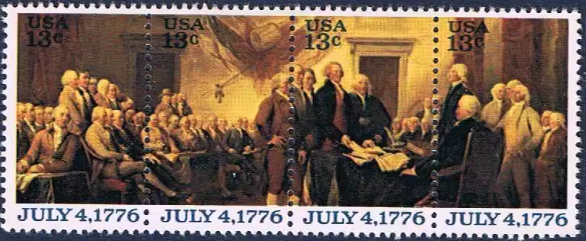
U.S. stamps can introduce a person, holiday, community, or tradition to millions of mail users. They are useful cultural artifacts—but they are curated selections, not complete histories.
What representation on a stamp means
The Citizens’ Stamp Advisory Committee considers proposed subjects using expertise in history, art, science, sports, education, and public life, then recommends subjects for final approval. Selection reflects institutional choices made at a particular time.
Long-running examples
The Black Heritage series began in 1978 with Harriet Tubman. Other U.S. issues have marked Lunar New Year traditions, Kwanzaa, Native American art and history, Hispanic heritage, and many individual contributors to American life.
A stamp can create a doorway into a subject, but one portrait cannot summarize a life and one holiday design cannot represent every community practice.
How to read a cultural stamp critically
- Find the official issue announcement and designer information.
- Ask why the subject was chosen at that moment.
- Compare the stamp’s short description with museum, archive, or scholarly sources.
- Notice what the image includes—and what it leaves out.
- Preserve related covers, programs, and cancellations that add context.
Build a respectful thematic collection
Organize by community, migration, music, faith, holiday, artist, or historical period. Add notes from primary sources rather than treating the stamp caption as the final word. USPS maintains theme lists, and the National Postal Museum collections support deeper object research.
Read representation with evidence and context
A stamp can open a historical question, but a small design cannot carry the full history of a community. Begin with the exact USPS issue description, then identify the artist, source image, accompanying pane text, and the event or person named. Next, compare that official framing with museum, archive, or community-produced sources.
A responsible album note
- Use the community’s preferred name and preserve accents and diacritics.
- Distinguish what is visible in the design from what a source says it represents.
- Avoid treating one honoree as a stand-in for an entire culture.
- Record disagreements or changing terminology instead of hiding them.
Selection for a stamp signals commemoration, not a complete measure of social progress. It is useful to ask who was represented, who created the image, what the issuing announcement emphasized, and what remained outside the frame. That approach makes a collection a research record rather than a list of broad claims.
Use the USPS release archive for production facts and the National Postal Museum collections for contextual material. Related issue studies are organized in our U.S. stamp-history hub.
Related collecting guides
- African American history on U.S. stamps
- How people are selected for stamps
- Sports stories on U.S. stamps
Editorial note: Historical claims in this article are based on cited USPS and Smithsonian material. MaxPob’s local keyword and review datasets help identify reader questions and collecting concerns; marketplace reviews are not used as proof of postal history, rarity, or value. See our research methodology.
Primary topic: U.S. Stamp History. Start with The First U.S. Postage Stamps.