Collectors often classify stamps in two different ways: by postal purpose and by physical format. Keeping those systems separate prevents a lot of confusion.
Definitive stamps
Definitives are regular issues intended for ongoing postal use. They may remain available for years and appear in several denominations or formats. A familiar flag stamp can be a definitive even when it is also a Forever Stamp.
Commemorative stamps
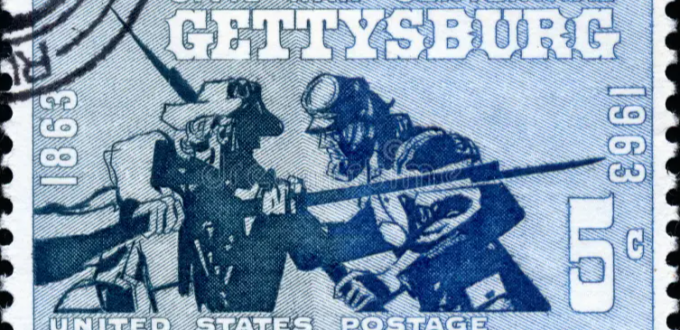
Commemoratives honor a person, event, institution, place, or aspect of American culture and are generally sold for a more limited period. USPS identifies the 1893 Columbian series as the first U.S. commemorative stamps.
Semipostal stamps
A semipostal is sold above the underlying postage value, with the difference—after specified costs—supporting an authorized cause. It should not be confused with an ordinary commemorative whose artwork supports awareness but whose price is only postage.
Nondenominated Forever categories
Regular Forever, Postcard Forever, Additional Ounce, two-ounce, and Global Forever stamps are value categories. They do not all have the same current value. A stamp can be both commemorative in subject and Forever in denomination.
Format is a separate question
Sheet, pane, booklet, and coil describe arrangement or production format. Used, mint, cover, plate block, and first-day cover describe condition or collecting form. These labels can overlap rather than compete.
A practical catalog record
For each item, record country, issue, denomination category, date, format, printing or perforation details, and condition. The USPS history page and National Postal Museum collection provide reliable starting points.
Classify by postal function before visual theme
Two stamps can look similar while serving different postal purposes. Start with issuing country, denomination or service inscription, date, format, and whether the item is definitive, commemorative, semipostal, airmail, postage due, or another category recognized by the catalog you use. Theme comes later.
A repeatable identification worksheet
- Front: all text, portrait or subject, denomination, color, and visible tagging clues.
- Edges: perforation measurement or die-cut shape.
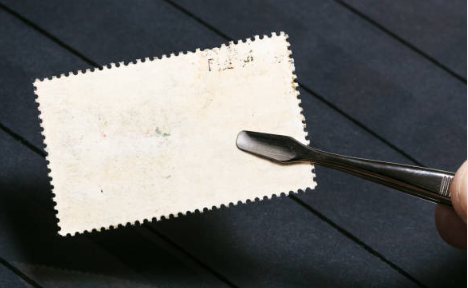
- Back: gum, printing, hinge marks, owner marks, or evidence of alteration.
- Context: pane position, booklet, coil, cover, cancellation, or accompanying selvage.
Do not rely on color alone, and do not call a difference an error until a documented normal example has been compared. Scans, fading, paper, and lighting frequently create false distinctions. Keep provisional identifications in pencil or in a digital note rather than writing on the stamp.
The tool guide covers safe observation, and the American Philatelic Society provides education and library resources. Marketplace titles are discovery leads, not authoritative classification records.
Related collecting guides
Editorial note: Historical claims in this article are based on cited USPS and Smithsonian material. MaxPob’s local keyword and review datasets help identify reader questions and collecting concerns; marketplace reviews are not used as proof of postal history, rarity, or value. See our research methodology.
Primary topic: Stamp Collecting. Start with Stamp Collecting for Beginners.