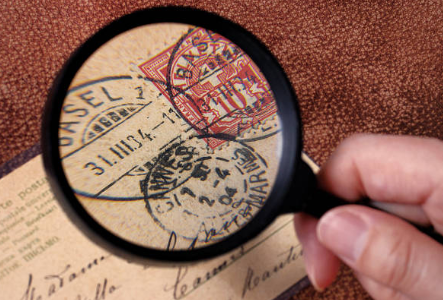
The safest way to avoid fake Forever Stamps is to verify the seller before trying to inspect the stamp. Counterfeits can imitate familiar artwork, packaging, and security details. A single photo test is not reliable enough to authenticate every issue.
The U.S. Postal Inspection Service recommends buying from USPS or a USPS Approved Postal Provider and warns that large discounts—often around 20–50 percent below face value—are a common counterfeit signal.
Start with the offer, not a magnifying glass
At the current $0.82 value, a book of 20 represents $16.40 and a roll of 100 represents $82.00 in postage. Before comparing perforations or ink, ask:
- Is the total dramatically below current face value?
- Does the website identify a real business and a working contact method?
- Is the seller USPS or listed as an approved provider?
- Does the listing clearly describe physical stamps, quantity, denomination, and format?
- Is payment routed through an unusual or irreversible method?
What visual clues can—and cannot—do
Poor printing, odd colors, misspellings, inconsistent die cuts, damaged packaging, or a design that does not match official USPS imagery can justify concern. They are screening clues, not a universal authentication system. Printing methods and security features differ by issue, and counterfeit quality changes.
Compare the exact design with official USPS material. If the physical item remains questionable, keep the order records and packaging and ask USPS or the Postal Inspection Service instead of mailing a large batch as a test.
Lessons from the local review corpus
Authenticity or trust language appeared in 329 of 12,101 public product reviews; 100 of those mentions were in one- or two-star reviews. The comments show two very different problems:
- Some buyers believed they had purchased ordinary physical stamps but received printable-label products that required extra steps or payment.
- Other buyers received physical postage and judged it genuine because their mail was accepted.
Neither experience produces a trustworthy counterfeit rate. A complaint may involve a misleading format rather than fake postage; successful delivery of one piece does not authenticate an entire batch. That is why MaxPob reports the review evidence as a question signal, not a fraud statistic.
Older designs are not automatically fake
A genuine unused Forever Stamp remains valid after its design leaves current sale. Sellers may have older inventory, and collectors may intentionally seek previous issues. Age alone is not a counterfeit test. The combination of provenance, price, listing accuracy, and the physical item matters.
What to do if you suspect counterfeit postage
- Do not use more of the stamps.
- Save the listing, receipt, payment record, packaging, and seller messages.
- Contact the marketplace or payment provider promptly.
- Follow the current reporting instructions on the USPIS counterfeit postage page.
- If mail was returned, retain the envelope and any USPS notice.
Where to buy with lower risk
Buy directly from the USPS Postal Store, a Post Office, or a business you can verify through the Approved Postal Provider program. A legitimate third-party seller may charge for convenience or shipping; an implausibly low price is not the same thing as a normal retail promotion.
Last reviewed August 11, 2026. MaxPob does not authenticate physical stamps.
Continue with the right guide
- Compare an offer with current face value
- Check format and quantity before buying
- Why FOREVER is crossed out online
- The complete Forever Stamps guide
Research note: MaxPob uses current postal sources, local search-question data, and anonymized aggregate themes from 12,101 public product reviews. Reviews help us identify confusing purchase and mailing situations; they do not establish USPS rules or authenticate a product. See the research methodology.
Primary topic: Buying Safety. Start with Counterfeit postage guide.
Next step: choose a verifiable seller
Identification starts before the envelope arrives. Compare official and approved purchase channels in Where to Buy Stamps Safely, including the deep-discount test and evidence to save if a purchase is suspicious.